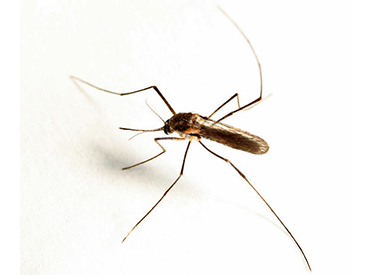
The pitcher Plant Mosquitoes are named thus because they usually breed in the pitcher plant. The pitcher plant is insectivorous and attracts and eats insects for their nutrients. Females lay their eggs in a pitcher plant and the larvae in the pool of leafy buds which are rich in nutrients. They are characterised by their dark brown colour and have a small wingspan.Pitcher plant mosquitoes grow in the water contained in this plant and complete their pre-adult life in the watery ducts. They feed primarily on the plant’s nectar and supplement their diet through body fluids, animal and human blood.
| Common name | Pitcher Plant Mosquito |
|---|---|
| Scientific name | Wyeomyia Smithii |
| Size | 2cm |
| COLOR | Dark brown to black |
| Habitat | Hiding in plants and grassland |
| Life span | 40 to 45 days |
Eggs:Female Mosquitoes lay eggs in the pitcher plant. Eggs hatch within the leafy pool communities of the purple pitcher plant and hatch most quickly after periods of dryness or freezing. In captivity, eggs hatch within five days of oviposition.
Larva: The larva form undergoes five instar stages over the course of about twenty two days. Females remain in the fifth instar stage for an average of twenty one days longer than the males as they develop ova and build fat stores. The instars of males are determined by the rotation of their terminalia. Males experience the final rotation between 9 to 12 hours after hatching. Completion of this rotation is critical for successful copulation. Females emerge sexually mature.
Pupa:After the fourth and the fifth instar of larvae stage, pitcher plant mosquito gets sexually mature. There is no pupae stage.
Adult:The adult forms are dark brown to black and are 2cm in length with a wingspan of similar size. They have six legs and a pair of wings attached to the thorax. Adults rest with their legs bent forward above their heads. In fact, it is the only known mosquito to have both obligatory biting and non-biting populations in the same spices.The average lifespan is 40 to 45 days.