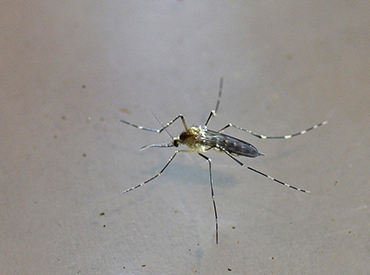
The Marsh Mosquitoes also known as Aedes Sollicitans or Saltmarsh Mosquitoes. They are native to the gulf coast, but have now spread across the world except in Icy environments. These Mosquitoes are dark brown in colour. The male mosquitoes depend on plant nectar to obtain food, but females prefer to feed on the blood of animals, including humans. The larvae of these Mosquitoes are commonly found in drainages and stagnant water in tyres, baby pools, pots, etc
| Common name | Marsh Mosquitoes |
|---|---|
| Scientific name | Anopheles |
| Size | 3 to 10mm |
| COLOR | Dark brown to black |
| Habitat | Hiding at flower pots, spare tyres, baby pools and other objects where water collects. |
| Life span | Two to three weeks |
Eggs:The female mosquito lays 30 to 150 eggs every 2 to 3 days. Human blood is required to nourish these eggs. Eggs are not resistant and hatches within 2 to 3 days. Although hatching may take up to 2 to 3 weeks in colder climates.
Larva: After hatching, larva comes out of the eggs. The larva spends most of its time in feeding on Algae, Bacteria and Micro-organisms.
Pupa:Once the larva has completed the four stages, it will go to the surface of the water and breathe through a pair of organs known as respiratory trumpets.
Adult:The female Marsh Mosquito will mate several times in her short lifespan, producing eggs. Although she only lives for a few weeks, she is able to produce thousands of eggs.The average lifespan of this mosquito is 2 to 3 weeks.