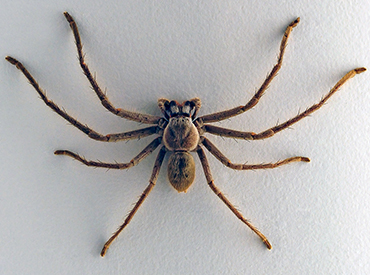
Huntsman Spiders are one of the largest spider species and prefer living in woody areas. They are often called Wood spiders or crab spiders because of their size and appearance. They frequently enter houses, vehicles and garages to hunt and take shelter during harsh weather. They are known for their agility and excellent hunting techniques. Despite their size and frightening appearance. These spiders are not harmful to humans. Though their venom is not dangerous, it can cause painful swelling.
| Common name | Huntsman Spiders |
|---|---|
| Scientific name | Sparassidae |
| Weight | Appx 3.5 to 5 grms |
| Length | Approximate 15 to 115 mm |
| Color | Young spiders are pale neosparassus often being green. Adult Covered in tan to dark tan velvety covering of hairs. |
| Mating Season | Spring |
| Number of eggs | Approximate 200 to 250 |
| Habitat | Eats a variety of insects, arthropods, small lizards and frog. |
| Lifespan | 2 to 20 years |
Egg:The female Huntsman produces a flat, oval egg sac of white papery silk and lays up to 200 eggs. Then places it under a bark or a rock and stand guard over it without eating for about three weeks.
Spider Lings: At the appropriate time, the mother spider opens the egg sac to help her spider lings out and she may stay with her spider lings for several weeks. They undergo several molts while still with their mother, hardening to a darker brown and eventually disperse. This spider lives for about 2 to 20 years.
DAMAGES: Huntsman spiders are not regarded as dangerous and can be considered beneficial because they feed on insects. However, its bite causes prolonged pain, inflammation, headache, vomiting and irregular pulse rate.