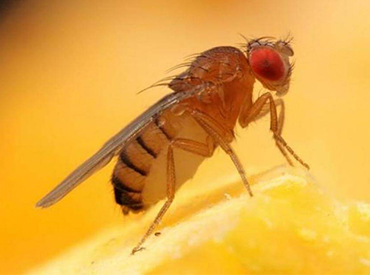
Fruit flies are small flies commonly found swarming in a circle over fruits, vegetables and ripened or decaying or fermenting produce. Eggs are laid into ripened fruit, such fruits are cause for diarrhea, they usually thrive in gardens, vineyards, and around fruit-bearing plants. Fruit flies (order diptera) encompasses a variety of different species of fly, such as drosophila melanogaster, bactrocera cucurbitae, bactrocera dorsalis, and drosophila hydei, with genetic mutations that cause them to be flightless. These genetic mutations may have different results such as the development of muscles that cannot support flight or even result in the lack of wings entirely. Flightless fly models have been especially useful for the study of human neuromuscular diseases such as spinal muscular atrophy, spinobulbar muscular atrophy, myotonic dystrophy, dystrophinopathies and other inherited neuromuscular diseases. Other applications of flightless flies include using them as convenient feeders for a variety of companion animals and even as test subjects in aeronautical research. . Fruit flies are classified in the phylum Arthropoda, class Insecta, order Diptera, families Tephritidae and Drosophilidae.
| Common name | Fruit Fly |
|---|---|
| Scientific name | Drosophila Melanogaster |
| Size | Females are 2.5 mm Males a little smaller |
| Colour | Yellow-brown with brick-red eyes and transverse black rings across the abdomen |
| Habitat | All the continents including islands. Found in homes and restaurants and places here food is served. |
| Life span | 16 to 30 days |
Egg:The female adult fly lays eggs (1-20) into the maturing and ripening fruit of the host plant. The eggs hatch into larvae inside the fruit after a few days (2-4 days).
Larva:The hatch larvae (maggots) give food to on the flesh of the fruit, gradually moving towards the centre of it. The feeding activity of the larvae causes the fruit to prematurely ripen and rot. The larval stage is the most likely stage that you would recognize the presence of fruit fly in your fruit if you cut it open.
Pupae:As the fruit ripens and rots, it falls to the ground. Fully mature larvae leave the fruit and burrow into the soil to pupate. In the soil, larvae become inactive and change into oval, light to dark brown, hard pupae, in which adult flies develop. At this stage you are unlikely to recognize the presence of fruit fly pupae in the ground.
Adults:The adult flies may emerge from the pupae in as little as seven days during the summer, or after several months over winter. The adult fly looks for the nourishment it needs to reach maturity, breed, and lay eggs in new season crops.
Their life span varies from 16 to 30 days.