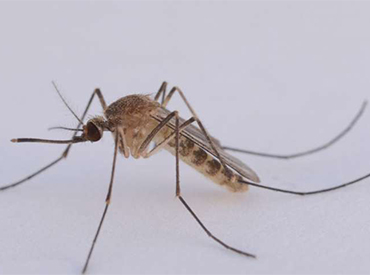
Culicinae Mosquitoes are found almost everywhere and fit in all types of environments in the world, except the Polar and the Antarctic cold regions. They are small and fly-like with reduced hind legs and powerful wings for flight. These Mosquitoes feed on both blood and flower nectars and are densely populated in the tropical regions. They are mainly parasites which thrive on vertebrates and are responsible for causing a number of diseases.They are black in colour and live in marshes, forests and animal shelters. Females mate only once and store sperms for a lifetime.
| Common name | Culicinae Mosquitoes |
|---|---|
| Scientific name | Culicinae |
| Size | 15 mm |
| COLOR | Black |
| Habitat | Hiding in forests, marshes, tall grasses, weeds and ground is wet at least part of the year |
| Life span | Two to three weeks |
Eggs:Culicinae Female Mosquitoes laid more than 100 eggs in groups. Species that use this form of eggs-laying typically hatch as first instar larvae within a few hours of laying.
Larva: Culicinae Larvae are adapted to almost every aquatic environment except the flowing streams and open areas of large water masses. Larvae have three body regions-head, thorax and the abdomen as well as having compound eyes and antennae on their heads. Larvae eat small aquatic organisms and plant material in the water using brush-style and grinding mouth parts
Pupa:Culicinae Pupae are aquatic and do not feed but they do require air intake. Pupae are exarate, allowing movement of the exposed abdomen. Thrashing of the abdomen can move the pupae quickly, sideways or downward but as soon as the movement of the abdomen stops, the pupae return to the surface of the water. The pupa naturally rises to the surface of the water due to an air pocket between the wing cases that make it lighter than water. Males emerge from the pupal stages before the females.
Adult:They are black in colour and have three body regions with narrow membranes joining the segments. The first body region is the head which holds the large compound eyes, proboscis style mouth parts and plumose antennae. The thorax is covered in scales and setae which are helpful in species identification. Attached to the thorax are three pairs of long, slender legs, a pair of fore wings used for the flight, hind wings reduced to halters for balance. The abdomen has ten segments, but only eight are visible. The last two segments are reduced and are used for reproduction. They are 2 to 15mm in length.Males stay near the breeding ground and mate soon after the females emerge. The female needs to mate only once and then store the sperm to use over their lifetime. After egg laying, females begin searching for another host for a blood meal.The average lifespan is 2 to 3 weeks.