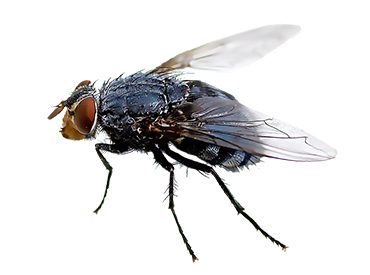
Black fly is also called a buffalo gnat fly. They are very dangerous because of their notorious feeding habit . Most black flies gain nourishment by feeding on the blood of mammals, live stock , including humans, although the males feed mainly on nectar. Black fly spreads many diseases associated with flies but river blindness disease is one of the deadliest diseases associated with black flies. In the mountains, trekking enthusiasts find the painful stings of these black flies hard on them. Usually mosquito repellent does not work with these notorious flies. Larva of black fly thrive only in running water, like mountain streams and rivers and their population explodes usually between April and July becoming a nuisance to humans engaging in common outdoor activities, such as gardening, boating, camping, and backpacking. They can also be a significant nuisance in mountainous areas. These flies live on rocks, trees and logs.
| Common name | Black Fly |
|---|---|
| Scientific name | Simuliidae |
| Size | Adults range from 5 to 15 mm |
| Colour | Black, brown, grey and yellow |
| Habitat | Very dangerous because of their notorious feeding habit, they feed on the blood of mammals, live stock including humans. |
| Life span | 7 to 14 days |
Egg:Egg laying habits vary with the species, but all lay their eggs in running water. Some lay in masses on plants trailing in the water, others drop the eggs singly into streams, while others lay their eggs in long strings. Each female will lay from 150-450 eggs. The eggs are white to orange when laid and darken before hatching. Hatching in species with several generations per year. Species with one generation per year often enter diapause in the egg stage,
Larva:Larvae happen only in running water. A few species are initiated in clear mountain streams, some in temporary streams, some in rivers, and some only around springs or reservoir outlets. Some species breed successfully in irrigation ditches. Larvae are usually brown, gray, or black in color with a light brown head. They are somewhat club shaped and have a prominent pair of mouth brushes with which they gather food. They feed on small organisms and detritus found in the water. Larvae attach to stones, vegetation, and other objects by means of a sucker-like disc at the end of the abdomen. Larvae development only occurs when there is running water or sufficient movement to accelerate the oxygenation of water.
Pupa:Black fly pupae are 2 to 3 mm long with a respiratory organ on the thorax which protrudes from the open end of the cocoon. If removed from the cocoon, the wing pads, legs, and other features of the adult fly can be discerned although these structures are closely appressed to the body.
Adults:Black flies are small (usually 1.2 to 3 mm), dark flies with short legs. Because of their distinct humpbacked shape, they are sometimes called buffalo gnats. They are usually small, black or gray, with short legs, and antennae. They are a common nuisance for humans. They spread several diseases, including river blindness. Black flies are a scourge to livestock in Canada, causing weight loss in cattle and sometimes death.
The average life span is from 7 to 14 days.